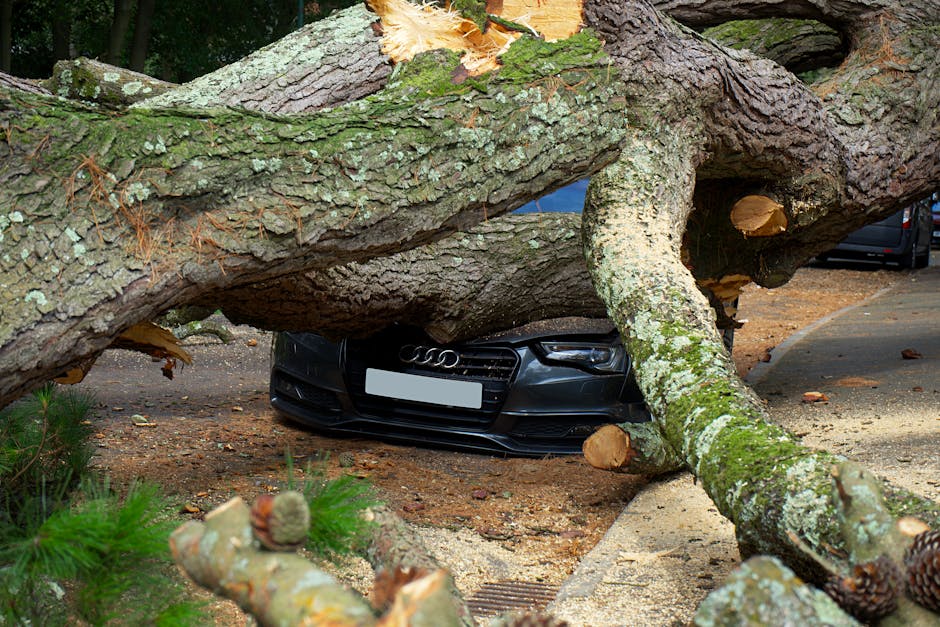
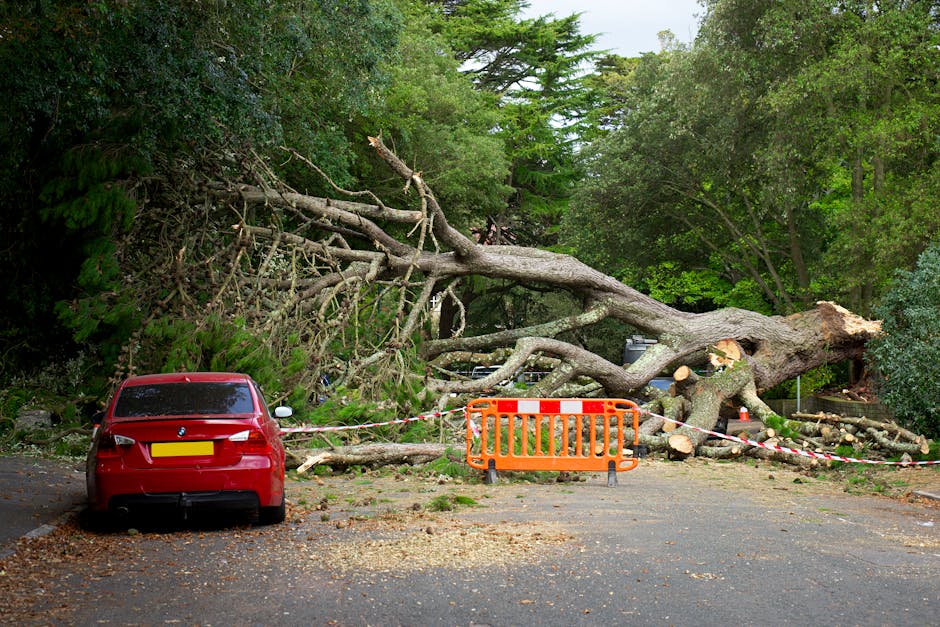
Same day gardeners in Merton Park for storm damage calls
Storms have a way of turning a tidy garden into a bit of a mess overnight. One minute the fence is standing, the next morning there's a cracked panel, a fallen branch, a soaked lawn and a path that looks like it has been through a small war. If you need same day gardeners in Merton Park for storm damage calls, the priority is usually simple: make the space safe, stop things getting worse, and get a practical plan in place without waiting days for help.
This guide explains what same-day storm response gardening actually involves, what to expect on the day, which jobs should be tackled first, and how to choose the right help when time matters. It also covers common mistakes, sensible safety checks, and the services that often sit alongside emergency garden work, such as tree surgery, fencing repairs, garden clearance, and patio cleaning.
Truth be told, storm damage jobs are rarely neat. They tend to be awkward, wet, and slightly more urgent than anyone would like. But with the right approach, they're very manageable.
Why Same day gardeners in Merton Park for storm damage calls Matters
After a storm, the first problem is rarely cosmetic. It's safety. A broken branch can block a path. A loose fence panel can blow into a neighbour's driveway. A heavy pile of debris can hide sharp glass, slippery mud, or unstable edges. That's why same-day response is so valuable: it reduces risk quickly, before small damage becomes a bigger repair bill.
In a place like Merton Park, where gardens often sit close together and access can be tight, wind damage can affect more than one property. One overhanging limb or leaning fence section may seem minor until another gust arrives. Then, suddenly, you have a real issue on your hands. A fast callout helps you deal with the obvious hazards first and leaves the less urgent work for a calmer second visit.
There's also a practical side to this. Wet timber splits more easily, waterlogged soil shifts underfoot, and damaged plants can become messy fast. If you wait too long, you may end up with more spoilage, more cleanup, and more stress. Not ideal, and nobody needs that on a Monday morning, frankly.
Expert summary: same-day storm damage gardening is about stabilising the site, removing immediate hazards, and restoring basic order quickly. It is not just "tidying up"; it's an urgent, safety-first response that protects people, property, and the garden itself.
If your storm damage involves broken boundaries, collapsed sections, or soil and debris spread across larger areas, related services such as landscaping or garden maintenance may be the right next step once the urgent work is done.
How Same day gardeners in Merton Park for storm damage calls Works
The process is usually straightforward, even if the garden itself is not. You call, explain the problem clearly, and the gardener decides whether it's a true same-day job or something that needs a planned visit. Good communication matters here. The more precise you are, the faster the right response can be arranged.
A proper same-day callout often starts with a quick assessment of the main risks. Is there a fallen tree or just loose branches? Is a fence leaning dangerously or simply damaged? Has the patio become slippery from mud and leaves? These details matter because they shape both the tools needed and the time required.
On arrival, the immediate goal is usually to make the site safe. That may include clearing branches, checking for unstable material, securing loose panels, removing trip hazards, or tidying access routes. If there is tree damage, a more specialist approach may be needed, which is why services like tree lopping and removal or tree surgery can be relevant.
Sometimes the same-day visit solves the urgent issue completely. Other times it becomes the first stage of a larger repair. That is normal. Storm damage rarely arrives with a tidy invoice-shaped ending.
Typical same-day work may include:
- removing fallen branches and storm debris
- making unsafe areas inaccessible until repairs are complete
- cutting back broken or torn growth
- temporary stabilisation of fencing or boundary features
- clearing blocked paths, patios, and access points
- separating green waste from general rubbish for easier disposal
When a garden has taken a real beating, a broader service such as gardening services can bring the whole space back into shape once the emergency work is finished.
Key Benefits and Practical Advantages
The obvious benefit is speed. But speed alone is not the whole story. A good same-day response reduces uncertainty, and that matters more than people sometimes admit. When your fence is half over, or a tree limb is resting at an odd angle, you want to know what's happening and what comes next.
There's also the benefit of preventing knock-on damage. A broken branch left against a shed can rub through panels. A loose fence can let more wind into the garden and worsen the damage. Standing water mixed with leaves can stain paving and make paths slippery. Quick intervention cuts these problems off early.
Another advantage is better prioritisation. A trained gardener will usually see which jobs need immediate action and which can wait. That saves time and money. It also stops you from overreacting to a problem that looks dramatic but isn't actually dangerous, which happens more often than you'd think after a storm. Panic has a strange way of making everything look worse at 7 a.m. in the rain.
Key benefits include:
- Reduced safety risk for family, neighbours, visitors, and pets
- Faster recovery after wind, rain, or debris impact
- Better protection of structures such as fences, decking, and sheds
- More efficient cleanup with the right equipment and sequencing
- Less stress because the most urgent issues are handled promptly
If the storm has affected garden structures as well as planting, it may make sense to review decking services or fencing after the immediate danger is removed. That way, you're not just patching the symptom; you're restoring the garden properly.
Who This Is For and When It Makes Sense
This service is for anyone who needs a garden made safe and manageable quickly after poor weather. Homeowners, landlords, tenants with permission, property managers, and elderly residents often need same-day help when a storm has left the outdoor space messy or unsafe.
It makes particular sense when:
- branches are blocking a path, gate, or driveway
- a fence panel is loose, fallen, or likely to fall
- the garden has debris that could cause injury
- the lawn or patio is too slippery to use safely
- wind damage has exposed plants, roots, or soil
- you need to prevent further damage before the next weather front arrives
It's also sensible if you simply don't have the time, tools, or physical capacity to handle the mess yourself. Let's face it, not everyone wants to haul sodden branches into piles or wrestle with broken timber on a windy day. Fair enough.
For properties that need more than a one-off clear-up, ongoing support through lawn care or lawn mowing can help the garden recover after the storm and stay easier to manage going forward.
Step-by-Step Guidance
If you're organising same-day garden help after a storm, a simple process keeps things moving. You do not need to know the technical side. You just need to give clear information and make safe decisions.
- Check for immediate danger. Do not go near unstable branches, leaning walls, or anything that looks like it could move. If power lines or serious structural damage are involved, stay well clear and contact the relevant emergency services or utility provider first.
- Take a quick look from a safe distance. Note what has fallen, what looks loose, and which areas are blocked. A few photos can help, provided you take them without putting yourself at risk.
- Contact the gardener and explain the priority. Say what's blocked, what's damaged, and whether the issue is urgent because of safety, access, or weather exposure.
- Ask what the same-day visit can cover. Clarify whether the focus is emergency clearance, temporary securing, or full restoration. That avoids disappointment later.
- Prepare access. Unlock side gates if safe to do so, move cars if possible, and keep pets inside. A clear route helps the work start quickly.
- Let the team handle the high-risk work. Heavy lifting, cutting, and unstable materials should be handled with proper equipment and judgement.
- Plan the follow-up. Once the urgent mess is gone, decide whether you need repairs, further clearance, or longer-term garden work.
A small but useful tip: if you're unsure whether something is a tree issue or a general garden issue, mention both. A good team can usually spot the difference quickly. That saves back-and-forth, and nobody enjoys endless phone tag after a storm.
Expert Tips for Better Results
The best storm-response jobs are the ones where the homeowner does a few small things before the team arrives. Nothing complicated. Just practical common sense, which, oddly enough, becomes quite valuable in a weather panic.
First, avoid trimming or cutting unstable branches yourself unless the issue is tiny and clearly safe. Broken limbs can twist under tension. They can also shift suddenly, and that's where people get hurt. Same goes for leaning posts or fence panels; if they are under strain, treat them carefully.
Second, keep the site as uncluttered as possible. Move lightweight furniture, toys, plant pots, or garden ornaments only if you can do so safely. It helps the gardener get to the real problem faster.
Third, think in terms of sequence. The right order is usually: make safe, clear access, remove major debris, then tidy details. If you jump straight to cosmetic tidying, you can waste effort. Better to get the messy part sorted first.
Some useful expert habits include:
- prioritising hazards over appearance
- keeping children and pets away from the work area
- separating damaged timber from green waste where possible
- photographing damage before anything is moved, if you may need records later
- booking follow-up maintenance before the next weather event
If the storm has affected a high-growing hedge or boundary planting, a later visit for hedge trimming can help reduce wind resistance and neaten torn growth once the plant has settled.
Common Mistakes to Avoid
Storm damage tends to tempt people into rushing. Understandable. But a few common mistakes can make matters worse.
1. Trying to fix everything at once. After a storm, the whole garden can look urgent. It isn't always. Some things are dangerous; some are just ugly. Separate the two.
2. Ignoring hidden damage. A snapped fence post may look minor until the whole panel shifts later. A branch resting on another branch can seem stable, until it isn't. Hidden tension is the tricky bit.
3. Throwing wet debris into a single mixed pile. Mixed waste is harder to move and often harder to dispose of cleanly. Good sorting saves time later.
4. Using the wrong tools. A small pruning saw is fine for light work. It is not the answer to a waterlogged branch the size of your arm. Know the limit, or get help.
5. Forgetting drainage and surface safety. Storms often leave patios slick and lawns compacted. If you don't deal with the surface conditions, the garden still feels unusable even after the big debris is gone.
6. Booking only a cosmetic tidy-up. If you need repair work too, say so. Otherwise you may end up with a neat-looking garden and a fence that continues to wobble like a loose tooth.
A related service such as patio cleaning can also make a big difference after heavy rain and leaf fall, especially when slippery algae or mud has built up.
Tools, Resources and Recommendations
You do not need to supply specialist tools for a same-day visit, but it helps to know what a proper response may involve. That gives you a better sense of value and prevents confusion when the work starts.
Common tools and equipment may include hand saws, secateurs, loppers, wheelbarrows, tarps, heavy-duty bags, gloves, poles, ladders where appropriate, and equipment for safe disposal or hauling. The exact setup depends on the damage. A small branch job looks very different from a collapsed fence line.
As a homeowner, your best "resources" are actually the simple things: clear communication, safe access, and a rough idea of what changed during the storm. When you can say, "the branch fell between the shed and the rear fence at about 6 a.m.," the response becomes much easier to plan.
Recommended supporting services often include:
- garden clearance for larger debris and mixed waste
- tree surgery for damaged limbs, splits, and unstable trees
- fencing where boundaries need repair or replacement
- garden maintenance for follow-up recovery work
- pricing and quotes if you want to compare scope before booking
If you need to understand how a company handles safety, policy, and service expectations, it is sensible to review pages such as health and safety policy and insurance and safety. Those details matter more during storm work than they do on a sunny day. That's just the way it is.
Law, Compliance, Standards and Best Practice
Storm damage work in gardens is not usually a highly regulated specialist process in the way some trades are, but best practice still matters a great deal. In the UK, anyone carrying out work should behave safely, work competently, and avoid creating further hazards. That means sensible risk assessment, suitable equipment, and clear communication with the client.
Where trees are involved, particular care is needed. Fallen limbs, unstable trunks, and stressed root systems can be unpredictable. A cautious approach is better than a heroic one. "I'll just pull that branch down" is rarely the clever line people think it is.
Good practice also includes respecting neighbouring properties, especially if debris has crossed a boundary. If access is needed through shared areas, it should be handled politely and with permission where appropriate. A storm may be chaotic, but the conversation still needs to stay civil.
Waste handling should also be thoughtful. Green waste, timber, soil, and mixed debris may need different treatment depending on what has happened. For environmentally responsible handling, a page like recycling and sustainability is a useful sign that the business thinks carefully about disposal and material recovery.
Finally, a customer should be able to understand terms, costs, and complaint routes clearly. That is where pages such as terms and conditions and complaints procedure help build trust. Not glamorous, but useful. Very useful.
Options, Methods or Comparison Table
Not every storm-damaged garden needs the same type of response. Sometimes a light cleanup is enough. Sometimes you need urgent specialist help. Here's a practical comparison.
| Option | Best for | Strengths | Limitations |
|---|---|---|---|
| Same-day general gardening visit | Debris, light branch fall, slippery areas, urgent tidying | Fast response, broad practical help, simple coordination | May not be enough for serious tree or structural damage |
| Tree-focused emergency work | Large branches, split limbs, leaning trees, canopy damage | Safer handling of unstable tree material | More specialist, may need follow-up cleanup |
| Fence and boundary repair | Broken panels, loose posts, exposed garden edges | Restores privacy and security | May require parts, time, or second visit |
| Full clearance and restoration | Heavy debris, mixed waste, major disruption | Thorough recovery, easier long-term upkeep | Usually the most time-intensive option |
A sensible response often combines two or more of these. For example, emergency branch removal today, then landscape gardening or deeper repair work later. That staged approach is usually the least stressful and, honestly, the least messy too.
Case Study or Real-World Example
Here's a realistic example from the kind of situation people in Merton Park often face after a windy night. A rear garden had a fence panel partly blown out, two sizeable branches across the lawn, and wet leaves packed along the patio edge. Nothing dramatic on its own, but enough to make the garden awkward and unsafe.
The first step was a same-day safety visit. The loose panel was checked, unstable debris was removed, and the walkway was cleared so the household could use the back door again without stepping around a hazard. The branch pile was then assessed for disposal and the remaining garden was left in a usable state rather than just "less bad." That distinction matters.
On a follow-up visit, the damaged fence section was repaired, the lawn was tidied, and the patio was cleaned to remove slippery residue. The result was not a magical transformation. It was something better: normality. And after a storm, normality feels like luxury.
This kind of staged response is often the smartest route. One emergency visit, one repair plan, and one proper tidy-up. Calm, practical, done.
Practical Checklist
Use this checklist if you need to arrange same-day garden help after storm damage:
- Confirm there is no immediate danger from power lines, walls, or unstable structures
- Keep children and pets away from the damaged area
- Take safe photos if you want a record of the damage
- Note exactly what is blocked, broken, or leaning
- Clear access gates and pathways if it is safe to do so
- Tell the gardener whether the job is urgent for safety or access reasons
- Ask whether the visit will include clearance, temporary securing, or repair planning
- Check whether follow-up work may be needed for fencing, trees, or cleanup
- Review pricing, scope, and terms before agreeing to the work
- Book preventative maintenance after the storm is over
If you have timber features, decks, or built garden elements nearby, it can be smart to ask about decking services too, especially if water or impact has affected surrounding areas.
Get a free quote today and see how much you can save.
Conclusion
When a storm hits, the best garden help is the kind that arrives quickly, looks at the real hazards first, and leaves the space safer than it was an hour earlier. That is the real purpose of same-day gardeners in Merton Park for storm damage calls: fast, sensible action that protects your property and gives you breathing room.
Whether the issue is fallen branches, damaged fencing, slippery patios, or a garden that just feels impossible to deal with right now, a measured response will always beat a rushed DIY fix. Start with safety, deal with the mess in order, and save the detailed restoration for the next stage if needed.
If the garden looks rough today, that does not mean it will stay that way. It just needs the right hands and a calm plan. One step at a time, it comes back.
Frequently Asked Questions
How quickly can same-day gardeners usually arrive after storm damage?
That depends on workload, travel time, and how severe the damage is, but same-day callouts are usually prioritised when there is a safety concern, blocked access, or a risk of further damage.
What counts as an emergency garden callout?
An emergency usually means something unsafe or urgent, such as a fallen branch blocking access, a loose fence panel that could blow away, or debris creating a trip hazard.
Can a gardener deal with fallen tree branches the same day?
Often yes, if the work is within a safe scope. Larger, unstable, or more complex tree damage may need more specialist attention through tree surgery or tree removal support.
Should I clear storm debris myself before the gardener arrives?
Only if it is small, light, and safe to move. Avoid unstable branches, leaning posts, or heavy wet material. If you are unsure, leave it alone and let the gardener assess it.
What should I tell the gardener on the phone?
Explain what happened, what is damaged, what is blocked, and whether anyone is currently at risk. Clear information helps the team bring the right tools and set expectations correctly.
Will the same-day visit include repairs?
Sometimes, but not always. Many same-day jobs focus on safety and clearance first, with repairs booked as a follow-up. It depends on the damage and the time available.
Is storm damage clearance messy or disruptive?
There can be some disruption, especially with wet branches and debris, but a good team should keep the work organised and leave the site safer and tidier than they found it.
Do I need to be at home for the callout?
Usually yes, at least at the start, so you can explain the issue and confirm access. In some cases, arrangements can be made if you cannot be there, but that should be agreed in advance.
What if the storm has damaged my fence as well as the planting?
That is common. A gardener can clear around the damage and stabilise the area, but a proper fence repair may need a dedicated follow-up. The important thing is to make the site safe first.
How do I know whether I need garden clearance or regular maintenance?
If there is a sudden build-up of debris, fallen material, or damage after a storm, garden clearance is usually the better fit. If the space is generally fine but needs routine upkeep, garden maintenance is more appropriate.
Will the gardener remove all the waste?
That should be agreed in advance. Many jobs include removal of cleared material, but always check what is included in the quote so there are no awkward surprises later.
What should I do if the damage seems too dangerous to approach?
Do not approach it. Stay at a safe distance, keep others away, and contact a professional. If there is an immediate public safety risk, escalate it through the appropriate emergency route before arranging garden work.