Top gardeners in Merton Park SW19 for front garden makeovers
If your front garden has started to feel tired, patchy, or simply hard to love, you are not alone. In Merton Park SW19, front gardens do a lot of quiet work: they frame the house, set the tone before anyone even reaches the door, and can make a small property look sharper in an instant. The best Top gardeners in Merton Park SW19 for front garden makeovers know how to balance kerb appeal, practicality, and local planting conditions without turning the space into something fussy or high-maintenance.
This guide explains what a front garden makeover actually involves, how a good gardener approaches it, what results you can expect, and where people often go wrong. It also covers helpful service links, planning considerations, and a simple checklist so you can move from "we should do something with this" to a garden that feels tidy, welcoming, and properly finished.
Table of Contents
- Why top gardeners in Merton Park SW19 for front garden makeovers matters
- How a front garden makeover works
- Key benefits and practical advantages
- Who this is for and when it makes sense
- Step-by-step guidance
- Expert tips for better results
- Common mistakes to avoid
- Tools, resources and recommendations
- Law, compliance, standards, or best practice
- Options, methods, or comparison table
- Case study or real-world example
- Practical checklist
- Conclusion
- Frequently asked questions
Why Top gardeners in Merton Park SW19 for front garden makeovers Matters
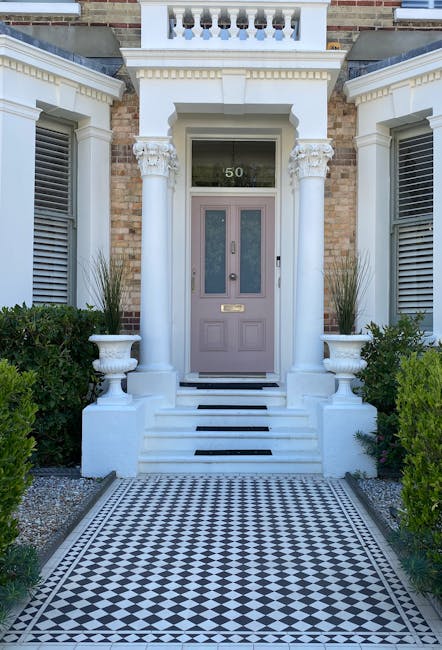
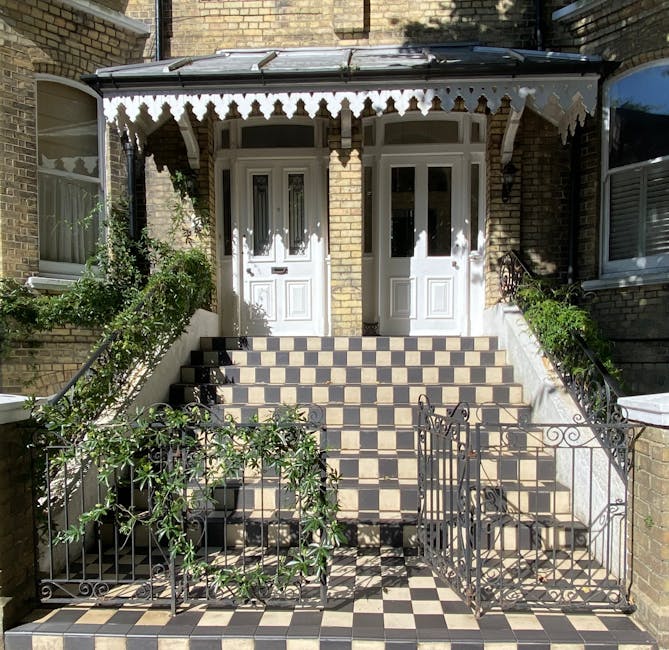
A front garden is a small space with an outsized impact. People often focus on back gardens because that is where they relax, but the front of the property is where first impressions happen. It is the bit that greets visitors, delivery drivers, neighbours, and potential buyers. And in a place like Merton Park, where properties can vary in style and frontage, a well-planned makeover can make a home feel more coherent straight away.
Good gardeners do more than plant a few shrubs and tidy the path. They look at the whole picture: how the entrance feels, how much maintenance you realistically want, how much light the space gets, and whether the garden needs privacy, structure, or better drainage. To be fair, that last one matters more than people expect. A pretty front garden that turns boggy every winter is not a win.
There is also a practical side. Front gardens need to cope with foot traffic, bins, post, parked cars nearby, and the general wear of daily life. The right design keeps things neat without becoming rigid. It should feel welcoming on a wet Wednesday morning as much as it does on a sunny June evening.
Expert summary: A successful front garden makeover is usually less about adding more and more, and more about editing the space intelligently: clear boundaries, tidy access, sensible planting, and materials that suit the house and the pace of your life.
How a Front Garden Makeover Works
A front garden makeover normally starts with a proper assessment. The gardener will look at the site layout, soil condition, light levels, existing planting, hard landscaping, and any problems such as overgrown hedges, weeds, broken edging, or poor lawn condition. If the front garden is also part of a wider maintenance plan, it may sit alongside routine garden maintenance or targeted work such as hedge trimming in Merton Park.
From there, the gardener usually shapes the brief around three things:
- Function - how the space needs to work day to day.
- Style - formal, relaxed, modern, cottage-like, or something in between.
- Maintenance level - low, medium, or prepared-for-green-thumb territory.
After that comes the design phase. This may involve reshaping beds, improving the lawn, cleaning paving, adding edging, installing planting, or introducing a more defined structure through hedging, gravel, or fences. For some homes, front garden improvements are subtle. For others, it is more of a reset - especially if the space has become tangled, shrunken by weeds, or dominated by one problem plant. If that sounds familiar, the article on returning serenity to your overgrown garden is a useful companion read.
Once the work begins, good gardeners tend to stage it sensibly. Heavy clearing first, then any structural work, then planting and finishing. That order matters because otherwise you end up trampling freshly planted borders while trying to sort the path. It happens. More than people admit, actually.
Key Benefits and Practical Advantages
Front garden makeovers are popular for a reason. They solve visible problems quickly, and the payoff is immediate. One tidy border, one crisp edge, or one well-chosen hedge can change how the whole house reads from the street.
- Better kerb appeal: A neat front garden can make a home feel cared for before anyone opens the front gate.
- Lower upkeep: Replacing awkward planting with the right species or ground cover reduces constant weeding and rescue missions.
- Stronger structure: Paths, hedging, and edging help the space feel intentional rather than accidental.
- Improved privacy: Carefully chosen screening can soften views into the house without making the front look closed off.
- Better resilience: The right layout can stand up to wind, shade, seasonal change, and the occasional neglected week.
There is a hidden benefit too: a front garden makeover often changes how the homeowner uses the property. You begin to notice the space. You stop ignoring the front step while rushing past with shopping bags. It becomes part of the home again, not just a strip of ground in front of it.
For people who want a lower-maintenance result, a mix of durable planting and sensible surfaces works well. The idea behind affordable and low-maintenance garden concepts is especially useful here, because front gardens need to look good even when you are not fussing over them every weekend.
Who This Is For and When It Makes Sense
Not every front garden needs a full redesign. Sometimes a light refresh is enough. But there are clear signs that a proper makeover makes sense.
- The space looks cluttered, weedy, or unbalanced.
- You are tired of cutting back the same hedge or redoing the same border.
- The garden lacks a clear route to the front door.
- Water pools after rain or the soil is generally poor.
- The planting looks dated, sparse, or too labour-heavy.
- You want better privacy from the street.
- You are preparing to sell and want the property to present better.
It also suits people with very specific needs. Families often want a safer, less chaotic entrance. Dog owners need planting that can withstand a bit of enthusiasm. Busy professionals want a front garden that behaves itself with minimal intervention. If that sounds like you, the content on landscape ideas for dog lovers and kid-approved garden planning gives a good sense of how a garden can be practical and still look sharp.
And sometimes the timing is simple: the front garden has got out of hand after winter, or the hedges have outgrown the plot and are making everything feel cramped. In those cases, a local gardener can often lift the whole appearance in a single well-organised visit.
Step-by-Step Guidance
Here is a practical way a front garden makeover is usually approached. No drama, no mystery.
- Assess the current layout. Note the entrance route, existing trees or hedges, shade, drainage, and any safety issues.
- Decide the role of the garden. Is the priority low maintenance, privacy, a brighter entrance, or a more formal look?
- Clear the clutter. Remove dead plants, self-seeded weeds, failing mulch, broken pots, and anything that is just taking up visual space.
- Sort the hard structure first. Edging, paving, gravel, fencing, retaining features, and hedge shaping come before delicate planting.
- Prepare the soil. This may mean improving drainage, adding compost, or refreshing tired beds. A healthy base matters more than people think.
- Choose the right planting style. Compact shrubs, evergreen structure, seasonal colour, or low-growing ground covers can all work depending on the site.
- Finish with detail. Clean paths, sharp edges, tidy borders, and a clear view to the front door make the whole design feel intentional.
For many homeowners, the smartest decision is to think in layers. First the structure, then the practical planting, then the decorative touch. If you try to do the decorative bit first, you can end up with a front garden that looks nice for a week and then gets swallowed by weeds. Nature is not always subtle about these things.
If you are rebuilding the entrance from the ground up, services such as landscaping, fencing, and patio cleaning can help create a cleaner, more finished result. For homes with tired grass at the front, lawn care or lawn mowing may be enough to lift the whole frontage.
Expert Tips for Better Results
A few small decisions make a huge difference in front garden makeovers. These are the kinds of choices experienced gardeners tend to get right first time.
- Use repetition carefully. Repeating the same plant or material in two or three places creates calm, especially in small front gardens.
- Choose evergreen structure. A front garden needs to look presentable in February, not only in late spring.
- Think in sightlines. Keep the view to the door readable. Too many tall plants near the entrance can make the front feel blocked.
- Keep edges crisp. A neat edge around a path or bed instantly improves the impression of order.
- Let the house lead. The property style should guide the planting and materials, not the other way around.
Another useful trick is to choose planting that earns its keep. Ground covers, clipped shrubs, and evergreen climbers can provide colour and texture without becoming a maintenance headache. There is a helpful post on ground covers for UK gardens, which is especially relevant if you want to suppress weeds while keeping the front looking soft.
For tighter spaces, vertical interest can help. A well-placed climber, trellis, or wall feature adds depth without eating up precious square footage. If that sounds appealing, take a look at vertical garden ideas and evergreen climbers for year-round greenery.
And yes, do not forget seasonal maintenance. A front garden is seen every day, so tiny issues become obvious fast. A few weeds at the back are one thing. A few weeds in the front bed feel louder somehow.
Common Mistakes to Avoid
Front garden projects often go wrong in familiar ways. None of these are dramatic disasters, but they can chip away at the result.
- Overplanting. Too many species makes the space feel cramped and harder to manage.
- Ignoring scale. Large shrubs in a tiny front garden can swallow the house facade.
- Choosing looks over function. Pretty plants that collapse in wind or block the path soon become annoying.
- Forgetting drainage. If water sits in beds or near the threshold, the makeover will age badly.
- Leaving the hedge to do the hard work. Hedges are useful, but if they are badly shaped or overgrown they can make the front feel heavy.
We also see people overcomplicate things. They add decorative stones, then more planters, then a feature tree, then more edging, and suddenly the entrance looks busy rather than welcoming. The fix is usually subtraction, not addition. A good gardener is often an editor first and a planter second.
Weed pressure is another common issue. If beds are not prepared properly, weeds return quickly and make the whole makeover feel unfinished. For a practical follow-up, the article on weed control is well worth reading.
Tools, Resources and Recommendations
Whether you are planning the work yourself or briefing a professional, it helps to understand the tools and resources that tend to matter most.
- Basic clearing tools: shears, spades, forks, rakes, and pruning tools for initial tidy-up work.
- Soil improvement materials: compost, mulch, and where needed, drainage-friendly aggregates.
- Planting aids: canes, ties, edging, and membranes used carefully rather than as a shortcut to good design.
- Finish materials: gravel, bark, paving cleaner, or simple decorative features that suit the house.
If you are building a garden that stays manageable, it helps to think beyond the first week. For example, if you want colour with less maintenance, low-maintenance garden concepts can provide a much better starting point than chasing whatever looks trendy this season. Likewise, if your front space includes a path or small paved area, patio cleaning can make a startling difference. You sometimes forget how much dirt dulls everything until the stonework is properly cleaned.
For more planning confidence, the article on essential gardening gear is a useful companion. It is not glamorous, but the right tools do save time and a fair bit of frustration.
Law, Compliance, Standards, or Best Practice
Front garden makeovers are usually straightforward, but there are a few sensible rules of thumb to keep in mind. If a project touches shared boundaries, drainage, trees, or boundary features, it is worth proceeding carefully and discussing details before work starts. Good gardeners will flag concerns rather than charging ahead. That is always reassuring.
For example, if a hedge sits near a boundary or affects visibility, it may need shaping with care and mutual understanding if neighbours are involved. If trees are part of the design, any major work should be approached cautiously and with attention to safety. More involved tree work may fall under tree surgery rather than simple pruning.
In practice, the best standard is simple: keep the work safe, keep the site tidy, protect existing structures, and avoid damaging utilities or neighbouring property. Reputable gardeners should also be transparent about the job scope, pricing, and payment process. If you want to understand how that side is handled, the site's pages on pricing and quotes, payment and security, and terms and conditions are useful to review before starting.
For customer trust and practical reassurance, it is also sensible to check the company's health and safety policy and insurance and safety information. These pages matter more than people think. If someone is working close to your home, you want them to treat the job properly, not just "have a go".
Options, Methods, or Comparison Table
Not every front garden makeover needs the same level of intervention. The right approach depends on budget, layout, and how much change you actually want. Here is a practical comparison.
| Method | Best for | Typical strengths | Possible drawbacks |
|---|---|---|---|
| Quick tidy-up | Front gardens that are basically healthy but messy | Fast, cost-conscious, immediate visual improvement | Does not solve structural issues or poor planting choices |
| Refresh and replant | Spaces with tired borders or patchy planting | Better balance, stronger colour, lower future maintenance | Needs some planning and seasonal aftercare |
| Full makeover | Front gardens with poor layout, overgrowth, or drainage issues | Complete transformation, better flow, stronger kerb appeal | More time, more disruption, higher upfront investment |
| Low-maintenance redesign | Busy households or landlords | Easier upkeep, predictable appearance through the year | Requires careful plant selection to avoid looking sparse |
If you want privacy without making the front feel shut in, a well-chosen hedge or layered planting plan may work better than solid barriers. The article on privacy hedges is a practical reference point here. On the other hand, if the site is windy or exposed, you may need a more shelter-aware design. That is where wind-tamer garden ideas can be surprisingly useful.
Case Study or Real-World Example
Imagine a typical Merton Park frontage: a narrow drive, a tired lawn strip, a few overgrown shrubs, and a path that disappears under dirt after wet weather. Nothing catastrophic, just a garden that has drifted into being forgettable.
A sensible makeover might begin with clearing the bed edges and cutting back anything that is blocking light or sightlines. Next, the gardener could define the entrance with sharper edging and refresh the path. Then comes the planting: perhaps a small evergreen framework, a couple of flowering plants for seasonal interest, and a low ground cover to keep weeds down. A clipped hedge at the boundary could add structure without feeling too rigid.
The effect is subtle but real. The house feels better looked after. The approach to the front door feels calmer. And because the planting was chosen for maintenance rather than just appearance, the owner is not stuck doing battle every other weekend. Truth be told, that is what most people really want: a garden that behaves itself.
If a space like that is combined with updated seating, even a tiny front garden can feel more considered. For ideas on making outdoor areas feel more inviting, the post on perfectly planned seating is a handy read, and for homes that want a calmer look, zen garden planning can offer a useful visual direction.
Practical Checklist
Before you book work or start digging, use this quick checklist. It keeps the project grounded.
- Decide whether you want a quick refresh or a full front garden makeover.
- Look at the garden in daylight and note what feels wrong.
- Check for weeds, broken edging, drainage problems, and overgrown plants.
- Think about privacy, kerb appeal, access, and maintenance level.
- Choose planting that suits the light and soil, not just the mood board.
- Make sure the route to the front door stays clear and welcoming.
- Ask how the gardener handles waste removal, tidying, and aftercare.
- Review relevant trust pages such as safety, terms, and pricing before work begins.
- Plan one simple feature that gives the garden a focal point.
- Leave room for seasonal changes, because the garden will change anyway.
If your front garden is heavily neglected, it may help to combine makeover work with ongoing care. A package built around gardening services can be more practical than trying to handle each issue separately.
Get a free quote today and see how much you can save.
Conclusion
The best front garden makeovers are not the loudest ones. They are the ones that make the house feel more like itself - neater, calmer, friendlier, and easier to maintain. In Merton Park SW19, that usually means thoughtful planting, tidy structure, and a design that respects the rhythm of everyday life.
If you are comparing options for Top gardeners in Merton Park SW19 for front garden makeovers, focus on practical skill, local understanding, and a willingness to tailor the work to your space rather than force a generic template onto it. That is the difference between a front garden that merely looks improved and one that genuinely feels better to live with.
And once it is done, you notice the change every time you come home. That is the nice bit, really.
Frequently Asked Questions
What do the top gardeners in Merton Park SW19 for front garden makeovers usually provide?
They typically assess the space, clear overgrowth, improve borders, shape hedges, refresh soil, and create a more attractive front entrance. Many also help with ongoing maintenance so the result lasts.
How much work does a front garden makeover usually involve?
It depends on the condition of the garden. Some front gardens only need tidying, edging, and planting, while others need a full reset with hedge work, drainage improvements, and new layout decisions.
Is a front garden makeover worth it if the space is very small?
Yes, often more so. Small front gardens benefit hugely from better structure, simpler planting, and a clear entrance route. Even a few well-chosen changes can make a narrow frontage feel much more balanced.
What makes a front garden low maintenance?
Low-maintenance front gardens usually combine evergreen structure, tough planting, sensible spacing, and clean hard landscaping. The key is avoiding plants that need constant trimming, deadheading, or rescue work.
Can a front garden makeover improve kerb appeal quickly?
Absolutely. Cleaning paths, trimming hedges, refreshing borders, and improving the view to the front door can change first impressions very fast. It is one of the quickest ways to make a property feel more cared for.
Should I choose plants or hard landscaping first?
Hard landscaping usually comes first. Once the path, edging, fencing, or structural elements are sorted, the planting can be chosen to suit the finished shape of the space.
What if my front garden has poor drainage?
That should be dealt with before planting heavily. A good gardener may suggest soil improvement, better grading, or a different layout so water does not keep causing the same problem.
How do I know whether I need hedge trimming or a full redesign?
If the hedge is the main issue, hedge trimming in Merton Park may be enough. If the whole space feels dated, crowded, or awkward, a broader front garden makeover is probably the better choice.
Can a front garden help with privacy without looking closed off?
Yes. Layered planting, carefully chosen hedges, and soft screening can create privacy while still keeping the front of the house welcoming. The trick is not to block the entrance visually.
What should I ask before hiring a gardener for the job?
Ask what is included, how waste is handled, whether the team is insured, how pricing works, and whether the gardener has experience with front garden layouts similar to yours. Clear answers are a good sign.
Do I need to worry about safety or insurance?
Yes, especially if the work involves ladders, power tools, trees, or heavy clearing. It is sensible to check the gardener's insurance and safety information before work starts.
How can I keep the new front garden looking good after the makeover?
Regular light maintenance is the easiest route: occasional weeding, seasonal trimming, checking plant health, and keeping paths clean. A planned maintenance routine is far less stressful than waiting until things look messy again.
Where can I find more help or ask about a project?
If you want to discuss your front garden plans in more detail, the simplest next step is to visit the contact page and share what you would like to change. A short conversation can save a lot of guesswork later.