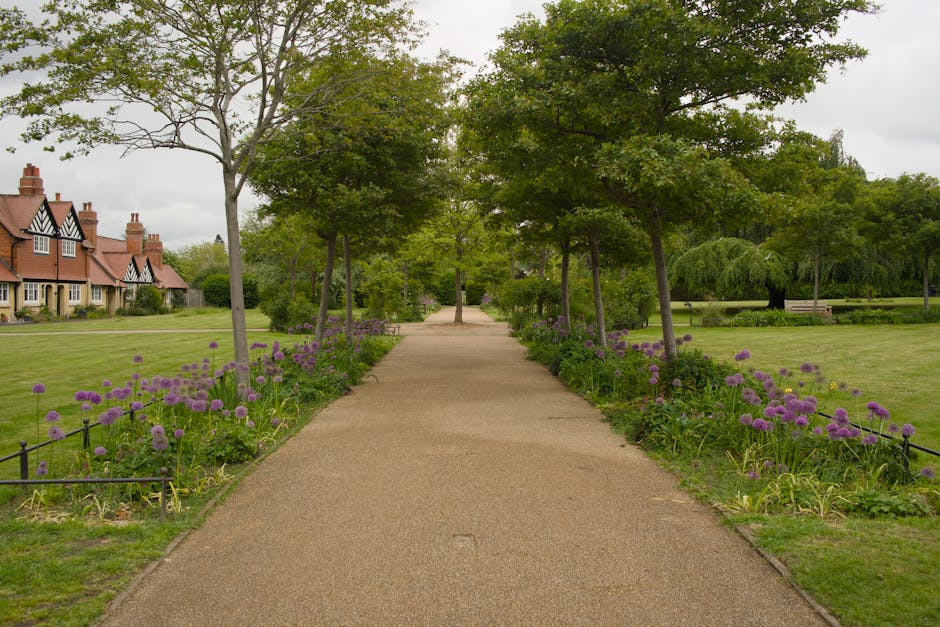
What to know about garden access for Merton Park gardeners

If you are arranging garden work in Merton Park, one thing tends to decide whether the day feels easy or awkward: access. What to know about garden access for Merton Park gardeners is not just a logistics question. It affects timing, safety, cost, privacy, and how smoothly a gardener can move between the front of the property, side passages, sheds, patios, and the back garden. In a place where homes can be compact, shared boundaries can be close, and side returns can be narrow, a little planning goes a long way.
Truth be told, many garden jobs are delayed not by the task itself but by simple access issues. A locked gate, a steep step, a narrow alleyway, or nowhere to store materials can turn a straightforward visit into a shuffle. This guide breaks down the practical side of access so you can prepare properly, avoid common headaches, and get better results from the visit.
Why garden access matters in Merton Park
Garden access is the practical route a gardener uses to reach the work area, bring in tools, remove waste, and leave the site tidy. That sounds obvious, but in real life it covers a lot more than opening a gate. It includes whether the team can carry equipment through the property, whether wheelbarrows fit through the passage, whether bins can be taken out easily, and whether fragile surfaces need protection on the way through.
In Merton Park, access matters even more because many gardens are tucked behind homes, screened by fences or hedges, or split into front and rear sections. A garden maintenance visit may be quick and tidy if the route is clear. If it is not, even a simple hedge trim can become clumsy. And nobody wants turf dragged across a clean patio or clipped branches stacked where the washing line normally goes.
There is also the neighbour factor. In close-knit residential streets, access often touches on shared boundaries, side passages, and the need to keep noise, mess, and foot traffic respectful. A well-planned visit protects relationships as much as it protects the lawn.
For jobs involving larger materials or awkward clearances, good access can shape the whole approach. A landscaping project may need more than a quick gate opening. A tree surgery visit may require room for safe movement and waste handling. Even a simple lawn care appointment can go better if the route in is dry, level, and free from clutter.
Key takeaway: good access is not a small detail. It is part of the job itself, and it often decides whether the work feels seamless or stressful.
How garden access usually works
In most cases, access is planned before the visit. A homeowner or tenant explains how the gardener will enter, what gates need opening, whether keys or codes are involved, and whether any area should be avoided. This is where a short conversation saves a lot of back-and-forth later. A five-minute chat before the booking can prevent a half-hour delay on the day. Not glamorous, but effective.
Garden access usually falls into one of a few patterns:
- Direct rear access: the gardener can reach the garden through a gate, side passage, or rear entrance.
- Front-through access: tools and materials are carried through the house, which needs extra care and protection.
- Shared or communal access: common in flats, maisonettes, or homes with shared paths.
- Limited access only: where narrow gaps, steep steps, or restricted entry affect what equipment can be used.
Once the access route is understood, the gardener can plan the visit sensibly. That may mean bringing smaller equipment, using lighter bags for waste, or scheduling extra time for moving materials. It may also mean choosing methods that reduce disruption. For example, if access is awkward, a gardener may favour compact tools and staged waste removal over moving everything in one go.
Sometimes access problems are temporary rather than permanent. Wet weather can make a side path slippery. A fallen branch can narrow a passage. A locked side gate can simply be forgotten. Small things, yes, but they add up quickly in the rain, when everyone is trying to get on with the day and the hedge clippings are not staying neatly in place.
If you are planning recurring work, it helps to keep a standard access note for your garden. A few details about gate locations, bin storage, steps, and any fragile surfaces can make future visits much easier.
Key benefits and practical advantages
When garden access is planned properly, the benefits are immediate. You save time, reduce disruption, and make the work safer. That is the obvious part. The less obvious part is that better access often improves the quality of the finished result because the gardener can work without constant interruptions or awkward detours.
Here are the main advantages:
- Faster start times: no waiting around for keys, codes, or someone to open a gate.
- Less damage risk: paths, borders, and paving are less likely to be scuffed or crushed.
- Cleaner finish: waste can be removed efficiently instead of being left in piles.
- Better safety: fewer trip hazards, fewer tight carries, and more space to work.
- Clearer pricing expectations: access difficulty can affect labour time, so clarity helps avoid surprise costs.
- More consistent maintenance: recurring jobs are easier to keep on schedule when entry is predictable.
A well-accessible garden also opens up more options. For instance, if the route supports it, gardeners can take on jobs like hedge trimming, patio cleaning, and garden maintenance with less setup time. If access is restricted, services such as container gardening ideas or vertical gardens may be a smart way to make the most of smaller or trickier spaces.
There is also a comfort benefit. People often underestimate how reassuring it is to know the gardener can enter, complete the work, and leave everything as found. No confusion. No extra calls. Just a tidy, well-handled visit. Simple, really.
Who this is for and when it makes sense
This topic is relevant to more people than you might think. If your garden is tucked behind the house, if the only way in is through the property, or if the boundary is shared, then access should be part of the booking conversation from the start. Even if the work seems modest, it makes sense to plan ahead.
Garden access guidance matters especially for:
- Homeowners arranging regular maintenance
- Landlords preparing a property for tenants or inspections
- Tenants who need to respect building rules and neighbours
- Families with busy gardens, pets, or play equipment to move around
- Older properties with narrow side returns or stepped entries
- Homes with larger projects such as fencing, decking, or landscaping
It also matters when the garden has become overgrown. In that situation, access can be harder because plants spill over paths, gates stick, and it is difficult to see where to begin. If that sounds familiar, the article on returning serenity to your overgrown garden is a useful companion read.
When does access planning make the most difference? Usually before:
- seasonal tidy-ups
- hedge cutting
- one-off clearances
- lawn care treatments
- tree work
- patio or decking projects
So, who needs to care most? Anyone who wants the job done neatly and without hassle. Which, to be fair, is nearly everyone.
Step-by-step guidance
If you want garden access to be smooth on the day, use a structured approach. It does not need to be complicated. A little thought up front is enough.
- Map the entry route. Walk the route from the street to the garden as if you were carrying a wheelbarrow or a box of tools. Notice narrow points, steps, bends, and slippery sections.
- Check gate and lock details. Confirm which gate is used, who has the key, and whether a code or latch needs explaining. Sounds basic, but this is where delays start.
- Clear the route. Move bins, plant pots, bikes, toys, and anything else that might block the way. Even a couple of items can make a passage feel much tighter than it is.
- Protect delicate surfaces. If the gardener will cross paving, decking, or indoor flooring, ask in advance what protection is sensible. Mats, boards, or careful routing can make a real difference.
- Highlight hazards. Tell the gardener about loose slabs, hidden steps, low branches, uneven ground, or any area that gets muddy after rain.
- Explain storage space. Waste bags, clippings, and tools need somewhere safe to sit while the work is underway. If there is no obvious spot, say so early.
- Discuss pets and children. If dogs, cats, or children use the garden during the day, agree how access will be managed so nobody is surprised by an open gate.
- Confirm weather-related limits. In wet or windy conditions, some access routes become tricky. A good plan should allow for that rather than pretending every day is calm and dry. It never is, really.
Here is a useful habit: take one quick photo of the access route before the visit, especially if the garden has a hidden back gate or a complicated side return. It is not a formal requirement, just a practical way to avoid misunderstandings.
For first-time gardeners, the guide on beginner gardening guidelines can also help you think more clearly about what a garden actually needs before work begins.
Expert tips for better results
In our experience, the best access plans are the boring ones. Clear, tidy, documented, and almost invisible on the day. Here are the details that tend to matter most.
Keep the route wide enough for real movement
A person can squeeze through a gap that a wheelbarrow cannot. The same goes for bags of cuttings, soil, hedge trimmings, or lawn care equipment. If you want efficient work, think beyond human width and imagine the actual load being carried.
Use access-friendly garden design where possible
If you are improving the space, consider designs that reduce repeated awkward movement. Raised planters, compact borders, and simpler pathways can make ongoing maintenance far easier. This is where practical design meets access planning, and it is often a good investment.
Match the work method to the site
Not every garden needs heavy equipment. In a tight Merton Park garden, smaller hand tools, sectional waste removal, and careful staging may be far more effective than trying to do everything in one sweep.
Think about timing, not just entry
A narrow entrance is harder to use during school runs, bin days, or when neighbours are bringing deliveries through. Morning light is often kinder too. You can feel the difference when the day is still calm and the work starts before the street gets busy.
Be honest about the mess factor
If a space is overgrown or damp, say so. A gardener can only plan well if they know what is waiting on the other side of the gate. The article on weed control is useful if access issues are tied up with dense growth and stubborn borders.
One small but important tip: if you have a side passage, keep it clear enough for the widest practical item, not just the smallest. That one decision can save a lot of muttering under someone's breath.
Common mistakes to avoid
Access problems are usually preventable. The trouble is that they often seem minor until the gardener is standing at the gate, waiting. These are the mistakes that cause the most friction.
- Assuming "it should be fine." Garden access is one of those things that sounds easy until the first wheelbarrow appears.
- Forgetting about waste removal. It is not enough to get in; the cuttings, soil, and debris also need to get back out.
- Ignoring gate condition. A sticking latch or swollen gate after rain can slow everything down.
- Not mentioning pets. A dog that loves the garden is charming. A dog that slips out through an open gate is not so charming.
- Leaving hazards hidden. Loose edging, broken slabs, and hidden hoses cause trouble quickly.
- Overloading one route. If the only access point is also where bikes, recycling, and storage live, the space will feel cramped fast.
- Waiting until the day of the visit. By then, the simplest fix is already too late.
There is also a less obvious mistake: choosing a service without thinking about how the crew will actually get the work done. A garden can look straightforward from the street and still be awkward once someone needs to carry soil, tools, or hedge waste across it. If you are comparing help options, pages like gardening services and garden maintenance can help you think through the kind of support that matches the site.
Tools, resources and recommendations
You do not need a shed full of specialist kit to improve access. A few sensible items and habits are enough.
- Gate keys or codes list: keep it simple and up to date.
- Outdoor mats or boards: useful where muddy routes or soft ground need protection.
- Storage tubs or bags: helpful for moving small items out of the way before work starts.
- Work gloves and sturdy footwear: basic, but essential when paths are uneven or damp.
- Clear labels for bins and storage: a tidy route is easier to maintain than one that relies on memory alone.
- Simple site notes: a written note about access, hazards, and pets can be surprisingly useful.
For gardeners who like to plan around the season, the article on keeping your garden alive through winter is a solid reminder that weather changes access, not just plant care. And if you are choosing materials or features that need regular entry, herb garden design and planned seating can inspire layouts that still leave enough movement space.
If your garden has special features like decking or hard landscaping, it is worth thinking about how access interacts with those surfaces. Pages such as decking services, patio cleaning, and landscaping are relevant where the route itself is part of the project.
Law, compliance and best practice
Garden access is not usually a legal maze, but there are still responsibilities to keep in mind. In the UK, property owners, occupiers, and contractors all have duties to avoid unnecessary risk and to act reasonably. That means keeping access routes safe, preventing avoidable slips or trips, and making sure anyone working on site has the information they need.
Best practice usually includes the following:
- sharing known hazards before work starts
- keeping access routes reasonably clear
- protecting indoor floors if tools or waste need to pass through the house
- making arrangements that respect neighbours and shared spaces
- ensuring anyone entering the property has legitimate permission to do so
If the work includes higher-risk tasks, such as tree surgery or heavier pruning, access planning becomes even more important. Safe movement, stable footing, and clear entry and exit routes all matter. For that reason, it is wise to look at a company's health and safety policy and insurance and safety information before booking more involved work.
Privacy and data handling matter too. If you share gate codes, entry notes, or access instructions, you want that information handled properly. That is where pages like privacy policy, cookie policy, and payment and security help build trust around the whole booking process.
For any service relationship, it is also sensible to understand the terms before work begins. A straightforward set of expectations can save awkwardness later. The same goes for terms and conditions and the company's approach to problems through its complaints procedure. Nobody expects issues, of course, but it is nice to know there is a process if one crops up.
Options and access method comparison
Not every garden should be approached the same way. The best access method depends on the layout, the work being done, and how much disruption you are prepared to tolerate.
| Access method | Best for | Pros | Watch-outs |
|---|---|---|---|
| Rear gate access | Most routine garden jobs | Fast, practical, minimal indoor disruption | Can be tight, locked, or affected by weather |
| Side passage access | Homes with a clear return or alleyway | Keeps traffic out of the house | Often narrow; may need protection for paving or walls |
| Through-house access | Properties without external routes | Works where there is no garden gate | Needs care for flooring, furniture, and privacy |
| Shared access | Flats, terraces, and communal buildings | Can work well with good communication | Needs coordination with neighbours or managing agents |
| Restricted access plan | Overgrown or awkward spaces | Safer and more controlled | May take longer and require smaller equipment |
As a rule, the less direct the access, the more important planning becomes. That may mean choosing simpler jobs in one visit and larger ones in another. Or it may mean pairing access-conscious tasks, such as hedge work and clearance, so the route is used efficiently. A few thoughtful choices can avoid a lot of shuffling.
Case study or real-world example
Picture a typical Merton Park rear garden: a narrow side passage, a small patio near the back door, and a gate that sticks slightly after rain. Nothing dramatic. Just a very normal London garden with a few quirks.
A homeowner wants hedge trimming, border tidy-up, and waste removal. If nobody checks access in advance, the gardener arrives, discovers the passage is blocked by bins and a bike, and has to wait while things are moved. The gate sticks, the path is damp, and the only clear place to stack clippings is next to the patio table. Slightly annoying, a bit messy, and completely avoidable.
Now imagine the same job with access planned properly. The homeowner clears the passage the night before, leaves the gate unlocked, points out a loose paving slab, and mentions that the dog uses the garden in the morning. The gardener brings smaller collection bags, protects the patio edge, and sets up waste removal in stages. The job runs faster, the garden stays cleaner, and the whole visit feels calm.
That is the real value of access planning. It is not dramatic. It just removes friction. And in a small garden, friction is often what makes a task feel bigger than it is.
If the space is also meant to feel welcoming or peaceful, articles like zen garden plans and garden seating ideas can help you think about access as part of the overall design, not just a practical afterthought.
Practical checklist
Use this before any garden visit or project.
- Are all gates, codes, and keys confirmed?
- Is the main access route clear of bins, bikes, toys, or furniture?
- Have you flagged loose slabs, steps, narrow gaps, or slippery areas?
- Do you know where waste can be stacked temporarily?
- Have pets been secured or scheduled around the visit?
- Is there enough room for tools, bags, and any moving equipment?
- Are indoor floors or patio surfaces protected where needed?
- Have neighbours or shared-building contacts been informed if relevant?
- Are weather conditions likely to affect the route?
- Have you shared any special instructions about privacy, timings, or quiet access?
Quick memory aid: entry, route, hazards, waste, and people. If those five things are clear, most access problems disappear before they start.
Get a free quote today and see how much you can save.
Conclusion
What to know about garden access for Merton Park gardeners comes down to one simple idea: the easiest-looking garden is not always the easiest to work in. Access affects speed, safety, cost, privacy, and the quality of the finish. When it is planned well, the whole job feels calmer and more professional.
That does not mean you need a perfect garden route or a polished redesign. You just need enough clarity for the work to happen smoothly. A clear gate, a tidy passage, a few notes about hazards, and a realistic plan for waste removal can make all the difference. Small effort, big payoff.
If you are preparing for a one-off visit or setting up ongoing help, a short conversation at the start is usually the best investment you can make. It saves time, avoids hassle, and helps your garden get the attention it deserves. And honestly, a little less faff is always welcome.
When the route is clear, the garden tends to breathe easier too.
Frequently asked questions
What is garden access in practical terms?
Garden access is the route a gardener uses to enter the property, reach the work area, move tools and waste, and leave safely. It includes gates, side passages, steps, indoor routes, storage space, and any obstacles along the way.
Why does access matter so much for garden work?
Because it affects how quickly and safely the job can be done. Good access reduces delays, protects surfaces, keeps the work tidier, and helps the gardener choose the right approach for the site.
Should I clear the access route before the gardener arrives?
Yes, wherever you reasonably can. Moving bins, bikes, toys, and loose items makes the route safer and easier to use. It is one of the simplest ways to help the visit go smoothly.
What if my garden can only be reached through the house?
That can still work well, but it needs extra care. Let the gardener know in advance so they can protect flooring, manage waste carefully, and plan the route through the property with minimal disruption.
Do narrow side passages cause a problem?
They can, especially if the gardener needs to carry bulky waste or equipment. Narrow routes are not a deal-breaker, but they may affect which tools are used and how long the job takes.
How do pets affect garden access?
Pets can be a big factor. Dogs and cats should be safely managed so no one escapes through an open gate and no one gets startled during the visit. A quick note beforehand avoids awkward moments later.
Can weather change how garden access works?
Absolutely. Rain can make paths slippery, wind can move loose items, and muddy ground can make carrying materials harder. It is sensible to mention any weather-sensitive parts of the route before the job begins.
Does access affect price?
It can, depending on the type of work and the difficulty of the route. Awkward access may take longer or require more careful handling. The best approach is to be clear about the layout when asking for a quote.
What should I tell a gardener before they visit?
Share how to enter, where the keys or codes are, any hazards, whether pets are present, and where waste can be stored. If the access route changes after heavy rain or due to overgrowth, mention that too.
Is garden access relevant for small jobs as well as larger projects?
Yes. Even small jobs like hedge trimming or lawn care can be slowed down by poor entry, blocked paths, or unclear instructions. Small jobs just happen faster when access is sorted.
What if my garden is overgrown and hard to enter?
That is common, and it is manageable. Start by clearing the immediate route and explaining where the worst growth is. If you need more help, a planned clearance or maintenance visit can make the space workable again.
How can I make future visits easier?
Keep a simple access note with gate details, hazard points, storage spots, and pet arrangements. Once that information is written down, recurring visits tend to run much more smoothly. A little admin, but worth it.
Where should I go next if I want help with access planning?
If you are ready to discuss your garden layout, access constraints, or the kind of work you need, the easiest next step is to contact the team and explain the site as clearly as you can. That way, the job can be planned properly from the start.